

 See My Latest Article on HelloNation
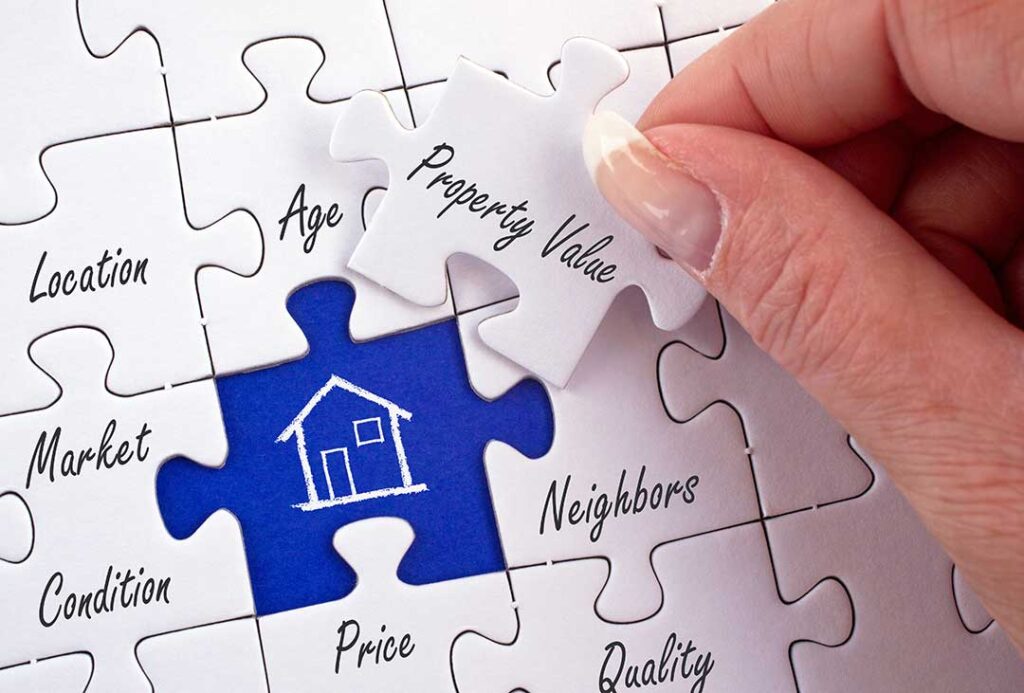
What neighborhood features tend to support property value?
Neighborhood features can influence property value by shaping daily convenience, housing demand, perceived quality of life, and long-term desirability. In La Verne, nearby parks, well-maintained streets, access to transportation, hillside views, and neighborhood safety conditions may all affect how buyers evaluate a home.
These features rarely determine value by themselves. A property’s condition, size, layout, lot, renovation quality, and recent comparable sales usually matter more. However, neighborhood characteristics can strengthen or weaken the appeal of otherwise similar homes.
A useful way to evaluate a neighborhood is to ask:
- How easy is it to reach everyday destinations?
- Are public spaces clean, maintained, and usable?
- Does the area feel comfortable for different age groups and household types?
- Are there environmental or infrastructure conditions that could create future costs?
- Is the neighborhood likely to remain attractive over time?
Do parks, trails, and open space increase nearby home appeal?
Access to parks and open space often improves a neighborhood’s appeal because it provides places for exercise, recreation, walking, and outdoor gatherings. La Verne has a substantial public park system, along with access to nearby regional open space and trail connections.
The value of these amenities depends on several details:
- Distance from the home
- Safe and convenient pedestrian access
- Noise, traffic, and activity levels
- Maintenance and appearance
- Whether the spaces serve children, adults, older residents, or multiple age groups
A home near a well-maintained park may appeal to households seeking outdoor activities without requiring a long drive. Trail access can also be attractive to residents who value walking, cycling, or views of foothill landscapes.
However, being directly next to a busy recreation area is not automatically better. Frequent event traffic, parking congestion, nighttime activity, or lighting may reduce privacy for some buyers. The most desirable location is often close enough to benefit from the amenity without being exposed to its busiest impacts.
How do transportation options affect property value?
Convenient transportation can support home demand by reducing travel time and giving residents more choices for commuting and errands. In an established community, this may include practical access to major roads, public transportation, rail service, sidewalks, bicycle routes, and connections to nearby employment or educational areas.
Transportation has both positive and negative effects. A home near a useful transit connection may benefit from convenience, particularly for households with commuters, students, or multiple workers. On the other hand, properties immediately adjacent to heavily traveled roads or rail lines may experience traffic noise, vibration, air-quality concerns, or reduced privacy.
The most favorable balance is usually accessibility without excessive exposure. Buyers often notice whether a neighborhood has:
- Continuous sidewalks and usable crossings
- Reasonable access to transportation stops
- Streets that are easy to navigate
- Safe routes for walking and bicycling
- Adequate parking without constant congestion
Transportation improvements may also affect future value, but proposed projects should not be treated as guaranteed benefits. Plans, funding, construction schedules, and final designs can change.
Does neighborhood appearance really matter?
Yes. The visual condition of a neighborhood can influence first impressions and buyer confidence. Clean streets, maintained landscaping, intact sidewalks, functional street lighting, and consistent property upkeep can suggest that an area is stable and cared for.
Appearance does not require every home to look identical. A healthy neighborhood can include a range of architectural styles, lot sizes, landscaping approaches, and housing ages. The more important factors are often signs of neglect that affect the broader setting, such as:
- Repeatedly unmaintained yards
- Damaged sidewalks or curbs
- Poor drainage after rain
- Abandoned vehicles or excessive street parking
- Inadequate lighting
- Visible deterioration of public spaces
In La Verne’s warm, dry climate, mature shade trees and drought-conscious landscaping can be especially useful. Trees may improve comfort, reduce heat around sidewalks and homes, and contribute to a more established streetscape. They can also create maintenance responsibilities, including root damage, trimming needs, and potential fire concerns in hillside areas.
Can quiet streets and neighborhood design influence value?
Neighborhood design affects how residents experience noise, privacy, safety, and traffic. Streets with lower vehicle speeds, clear visibility, connected sidewalks, and usable public spaces may be more appealing than areas dominated by cut-through traffic.
Cul-de-sacs can offer reduced traffic and a quieter setting, while traditional connected streets may provide better walking access and route flexibility. Neither layout is universally superior. Preferences vary by household and should be evaluated alongside emergency access, parking, drainage, and pedestrian conditions.
Buyers often pay attention to the relationship between homes and streets. Front setbacks, garages, driveways, walls, landscaping, and sidewalk conditions can influence whether a block feels open, private, crowded, or difficult to navigate.
Noise should also be evaluated at different times. A street that seems quiet during a midday visit may feel different during school drop-off, evening commuting, weekends, or seasonal events.
How do schools and community facilities affect demand?

Nearby schools and community facilities can influence demand from households with children, but their effect is not limited to enrollment considerations. Libraries, recreation facilities, gathering spaces, and public services can contribute to a neighborhood’s overall usefulness.
School-related value is often misunderstood. Buyers may care about school quality, boundaries, walking conditions, traffic, and enrollment policies, but school attendance areas can change. Property owners should verify current information rather than relying on older listings or informal assumptions.
Community facilities may support value when they are accessible, well-maintained, and compatible with nearby homes. At the same time, facilities that generate heavy traffic, bright lighting, noise, or large crowds may affect adjacent properties differently than homes farther away.
Do views and hillside locations always add value?
Views, larger lots, mature vegetation, and hillside settings can make a property distinctive. In La Verne, foothill-adjacent areas may offer attractive scenery and a stronger sense of separation from denser residential streets.
Hillside features also require careful evaluation. Potential concerns include:
- Wildfire exposure
- Slope stability
- Drainage and erosion
- Difficult access during emergencies
- Higher insurance costs or limited coverage
- Retaining walls and specialized maintenance
- Steep driveways and reduced parking
A view may add appeal, but it does not eliminate these practical considerations. A buyer may value a hillside setting only if the associated costs and risks are manageable. The quality and permanence of the view also matter. Nearby development, vegetation growth, or infrastructure changes can affect what is visible from a property.
How do safety, flooding, and fire conditions affect neighborhood value?
Safety conditions can have a direct effect on buyer confidence and ownership costs. Areas near foothills or wildland vegetation may require greater attention to wildfire preparedness, defensible space, access routes, and insurance availability. Some portions of the community also require careful consideration of drainage and localized flooding during heavy rain.
These conditions do not automatically make a property undesirable. They do mean that location-specific review is essential. Homeowners should understand whether a property is in or near a mapped hazard area, how water moves through the lot and street, and whether construction or landscaping requirements apply.
Infrastructure can be just as important as scenery. Reliable streets, storm drains, water service, sidewalks, lighting, and utility systems support everyday livability. Deferred maintenance or repeated drainage problems may reduce value even in an otherwise attractive neighborhood.
Which neighborhood features are most likely to hold value over time?
Long-lasting value usually comes from features that remain useful across changing household preferences. These may include:
- Walkable access to parks and daily services
- Well-maintained public infrastructure
- Multiple transportation options
- Quiet, orderly residential streets
- Usable outdoor recreation
- Attractive but practical landscaping
- Strong emergency access and hazard awareness
- A mix of housing types and household-friendly amenities
No neighborhood feature guarantees appreciation. Market conditions, interest rates, insurance costs, zoning changes, maintenance expenses, and broader housing supply can all affect property value.
For residents evaluating a home, the strongest approach is to look beyond appearance. Visit at different times, observe traffic and noise, check drainage after wet weather when possible, review hazard information, and consider whether the neighborhood’s features are convenient, durable, and affordable to maintain. Those practical qualities often matter more than a single impressive amenity.